
Mortgage Tips
I Sold My Own House This Fall. Here's What I Learned.
Dale Corley · · 5 min read
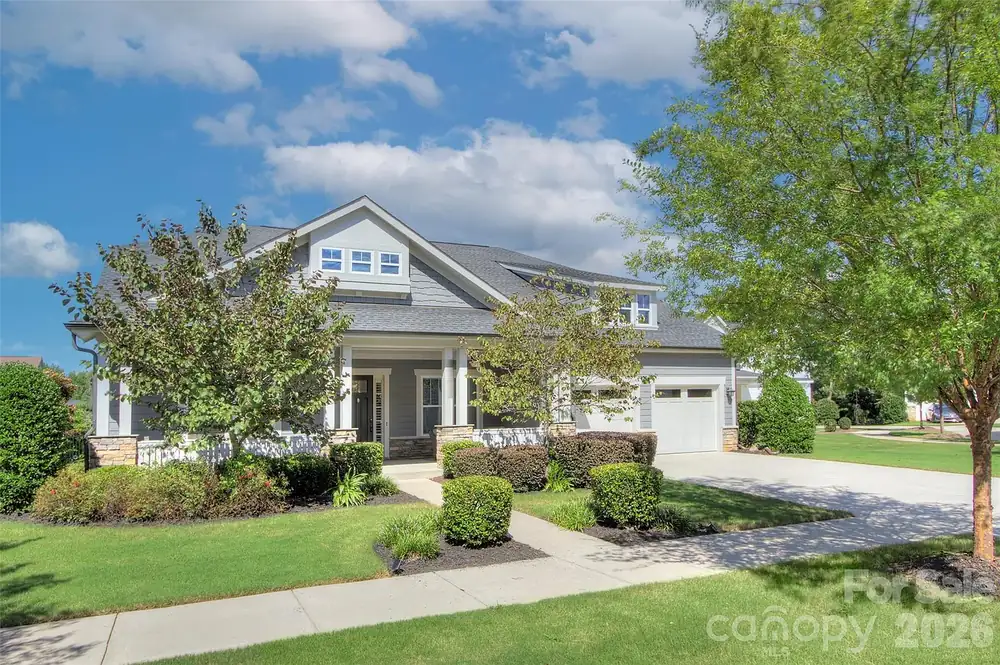
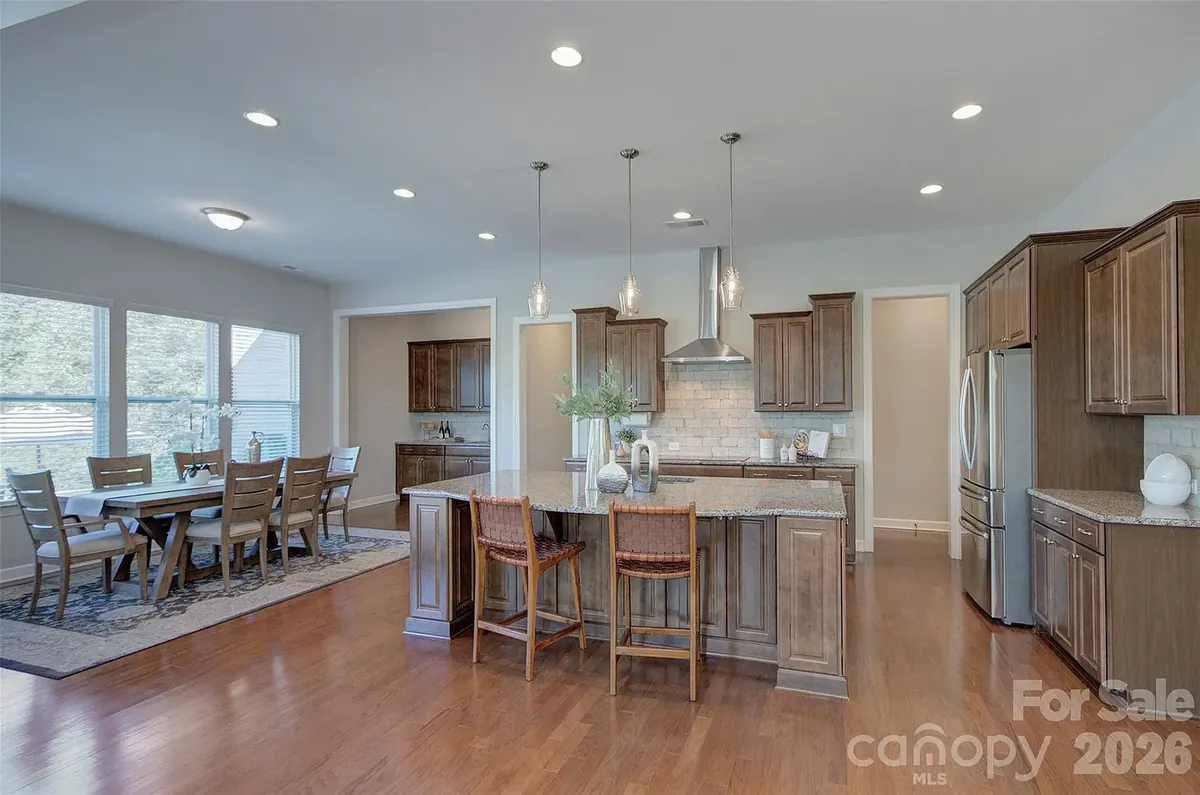
This fall I sold my own home in Charlotte, a modern one-level ranch with a pool. It went on the market on a Friday morning. By that evening we had a full-price offer of $775,000, and three other buyers were close to making one.
That weekend reminded me of something I tell clients every week: there are two markets right now. Homes that are priced right, move-in ready and well presented still sell fast. Overpriced or tired homes sit. I’ve spent more than 20 years on the lending side of home sales, and being the seller this time taught me a few things worth passing on.
How I picked the price
I started with the closest match I could find: the same floor plan, from the same builder, that sold about eight months earlier for $750,000 with roughly $2,000 in seller concessions. That home had more interior upgrades and a flat backyard. Mine had fewer upgrades, but it had the pool.
I also asked several local agents for their price opinion. Most came in between $680,000 and $730,000. One said $750,000 to $775,000. One said $823,000.
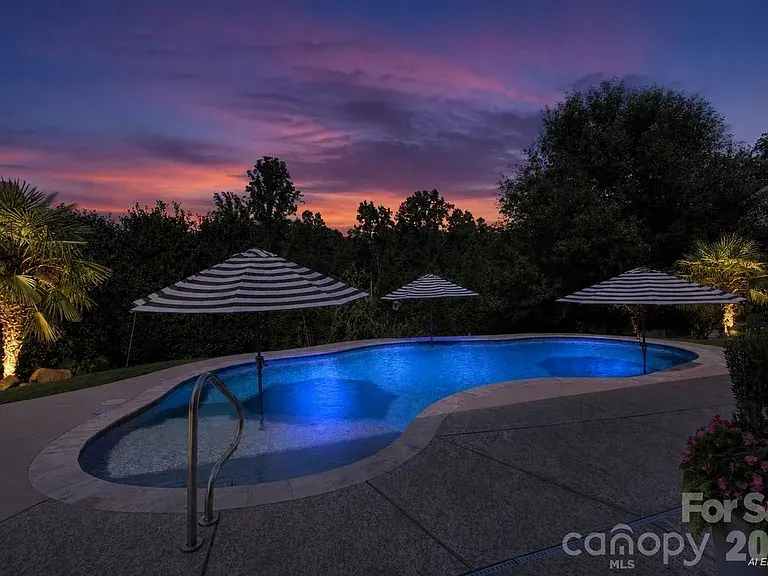
Here’s the math I used. I started at $750,000, the price of the matching home. My pool is small but high quality, with a pebble finish. Built new today, it would run about $75,000, so I counted it at $50,000 to be fair. Then I took $25,000 back off for the other home’s upgrades and its flat backyard, since mine slopes. That put me at $775,000, and that’s where I listed it.
Your numbers will be different. What a pool or an upgrade is worth depends on your area, so let the recent sales near you guide the adjustments.
Here’s why I thought a buyer would pay it:
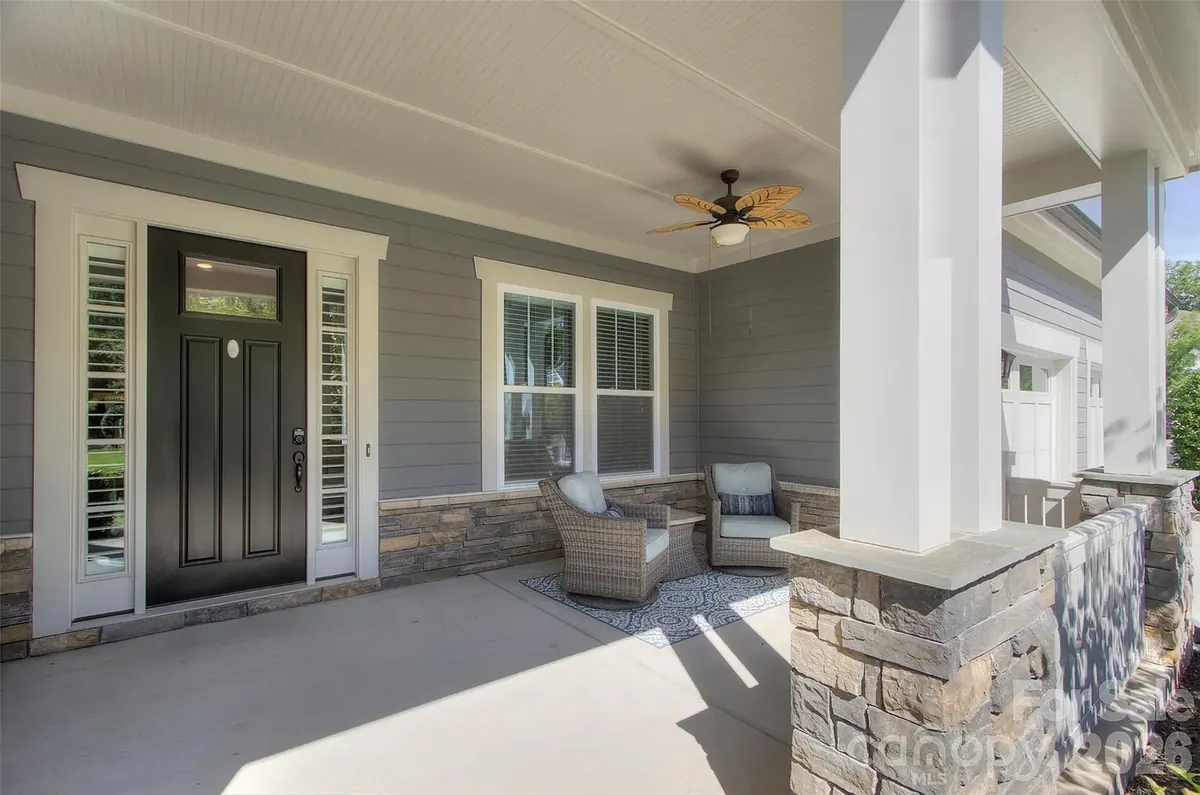
- One-level living. The bigger two-story homes nearby were around 3,500 square feet. Mine was about 2,700. Same builder, same year, same look. A lot of buyers want everything on one floor.
- The pool. Pools cost about twice what they did before the pandemic. A small one like mine runs around $75,000 new, and bigger ones run $100,000 or more. A buyer who wants a pool would rather buy one than build one.
- A modern, clean look that shows well in photos.
Honestly, I didn’t know what would happen. The market is slower than it was a year ago. But I knew the home, and I knew what made it different from everything else for sale.
How I got it ready
The house had always been well kept, so this wasn’t a remodel. I fixed everything I knew about: small cracks in the walls, a separated joint in the bathroom tile, fresh caulk on the pool deck, plus the little things like light bulbs, air filters and a light switch.
Then I paid for what buyers actually see:
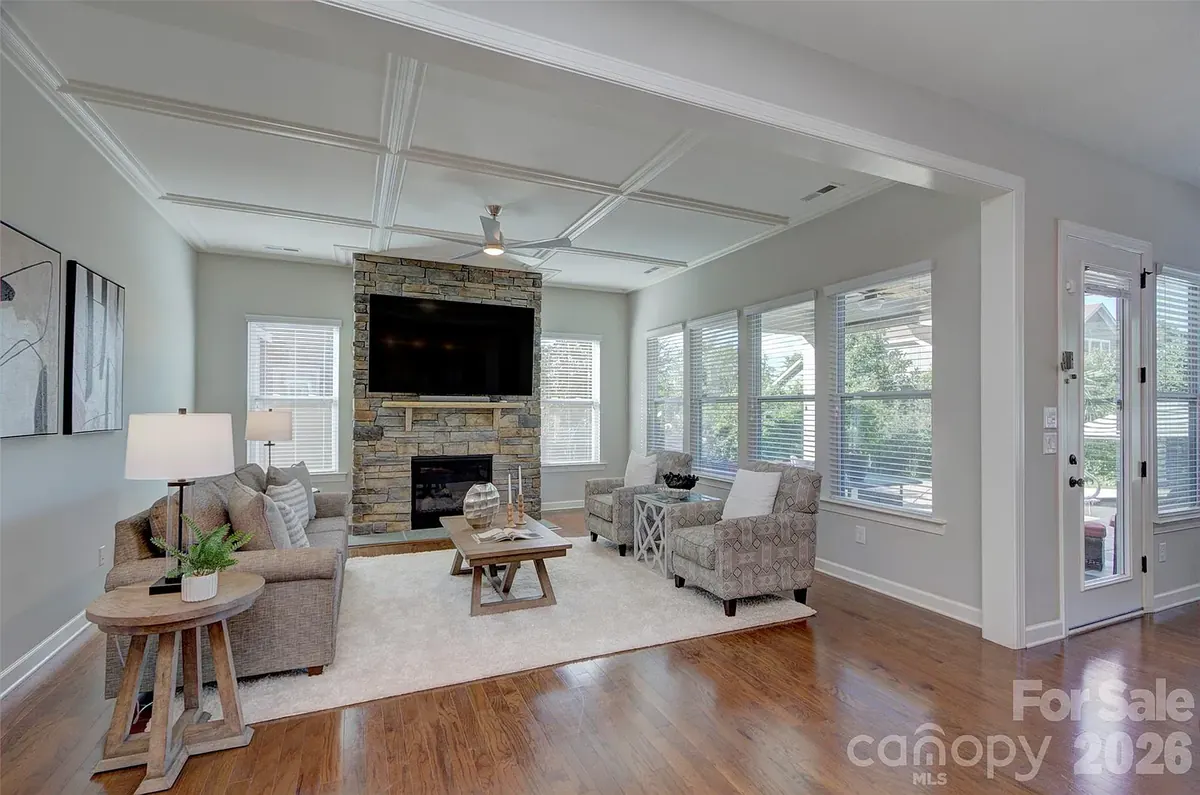
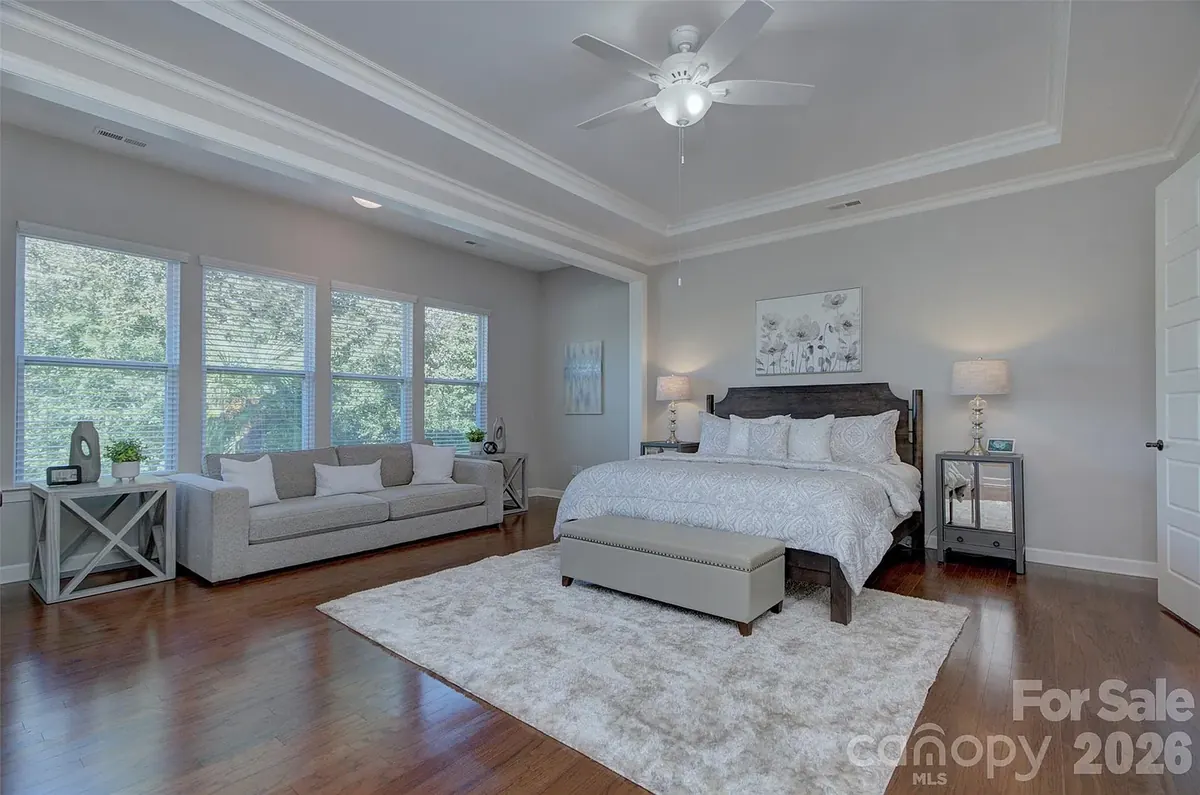
- Staging. $2,800 up front, plus about $600 a month to keep the furniture if the house didn’t sell in the first month. My furniture wasn’t anywhere near as clean and modern as what a stager brings in. It was worth every dollar.
- A full detail, and professional photos, including drone shots.
- Getting out of the way. I put things in storage and left the house that first weekend so buyers could picture themselves living there.
The goal was simple. When buyers walked in, I didn’t want them to see a project.
What the inspection taught me
This is a seven- or eight-year-old home. The inspection report still listed about $18,000 in potential repairs, including $7,000 to $8,000 for a roof that was in good shape.
An inspection report lists everything, including items marked “meets code” or “keep an eye on it.” Read those notes before you agree to pay for anything. Many items are things to watch, not things to fix today.
The buyers asked for an $8,000 credit. After I calmed down, I went through the list line by line. A few items were real: the pool light went out right before I listed, and there were a few hundred dollars of cracks around the pool deck. I countered at $1,800, and they accepted. If you’re not sure how credits work, I explain them in Seller Credits: What They Are, How to Ask for One, and the Best Ways to Use It.
If you’re selling
- Price from your own research. Look at sales from the last 12 months, start with the closest match, and adjust for what’s better or worse about your home.
- Talk to more than one agent, and ask each one to walk you through their comps.
- Fix what you know about and anything cosmetic. The inspector will find it anyway. You don’t need to turn it into a new house.
- Stage it, photograph it well, and be out of the way the first weekend.
- When the inspection comes back, separate real repairs from “keep an eye on it” items before you negotiate.
If you’re buying
- Good homes still go fast. Have your full approval done before you start touring, not after you find the house.
- If you’re self-employed, that matters even more. Your income takes more paperwork to prove, so get it done first. Here’s how a bank statement loan works if your tax returns don’t show what you really earn.
- Use the inspection to find real problems. Ask for credits on those, not on every line of the report.
How I work with agents
My business is working directly with buyers. When someone is approved and ready to shop, I refer them to agents I trust in each of the 9 states where I’m licensed. Whether you’re buying or selling, I’m happy to connect you with one, and to run the numbers on your next move.
Photos from the listing, shared with the listing agent's permission.
Dale Corley | NMLS #1547543 | Licensed in CA, CO, TX, FL, GA, NC, SC, TN, VA | This is not a commitment to lend.